



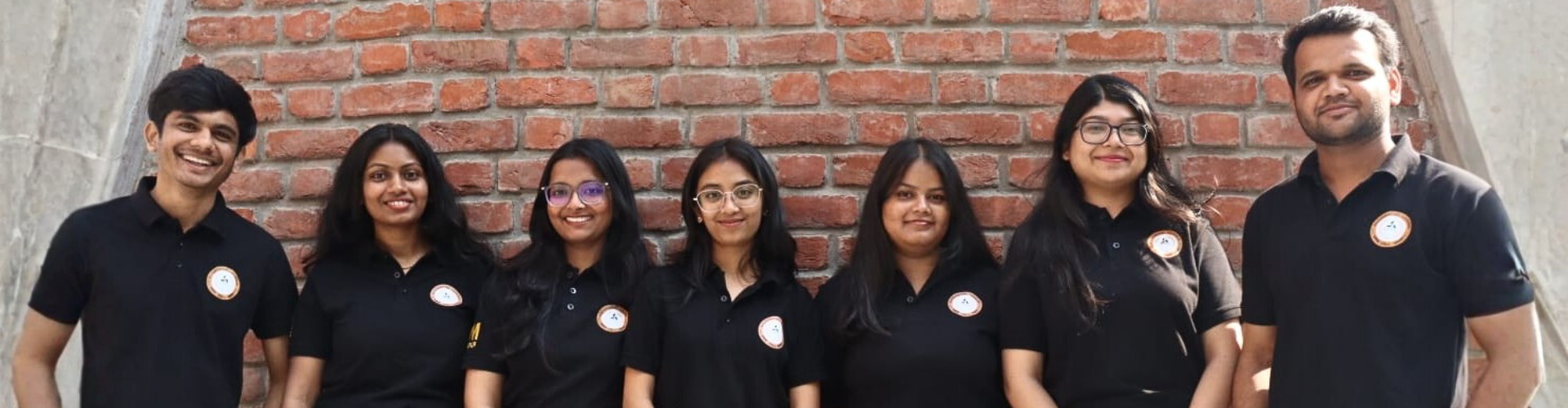
Experiential Learning Cell
Experiential Learning Cell
Details
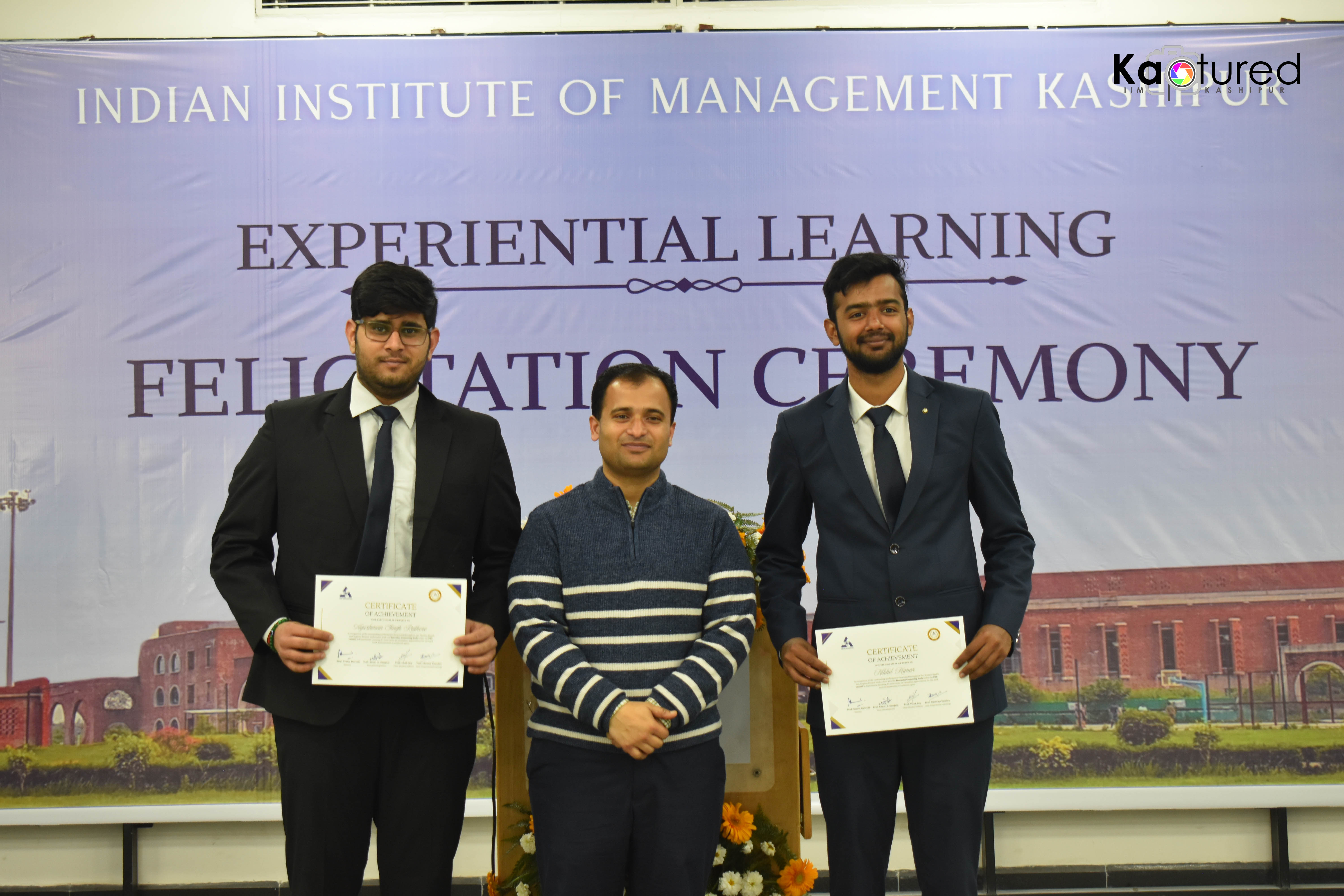
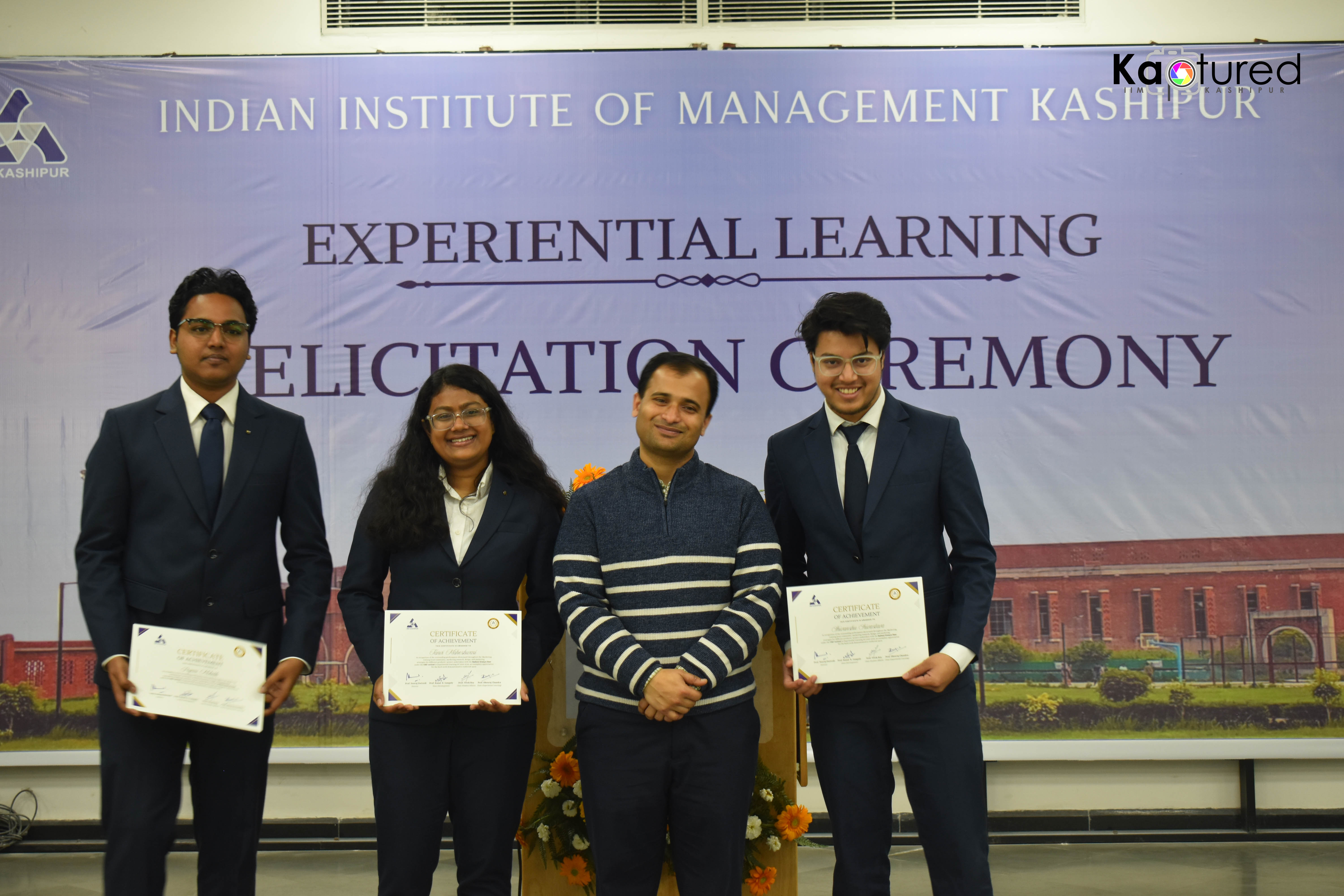
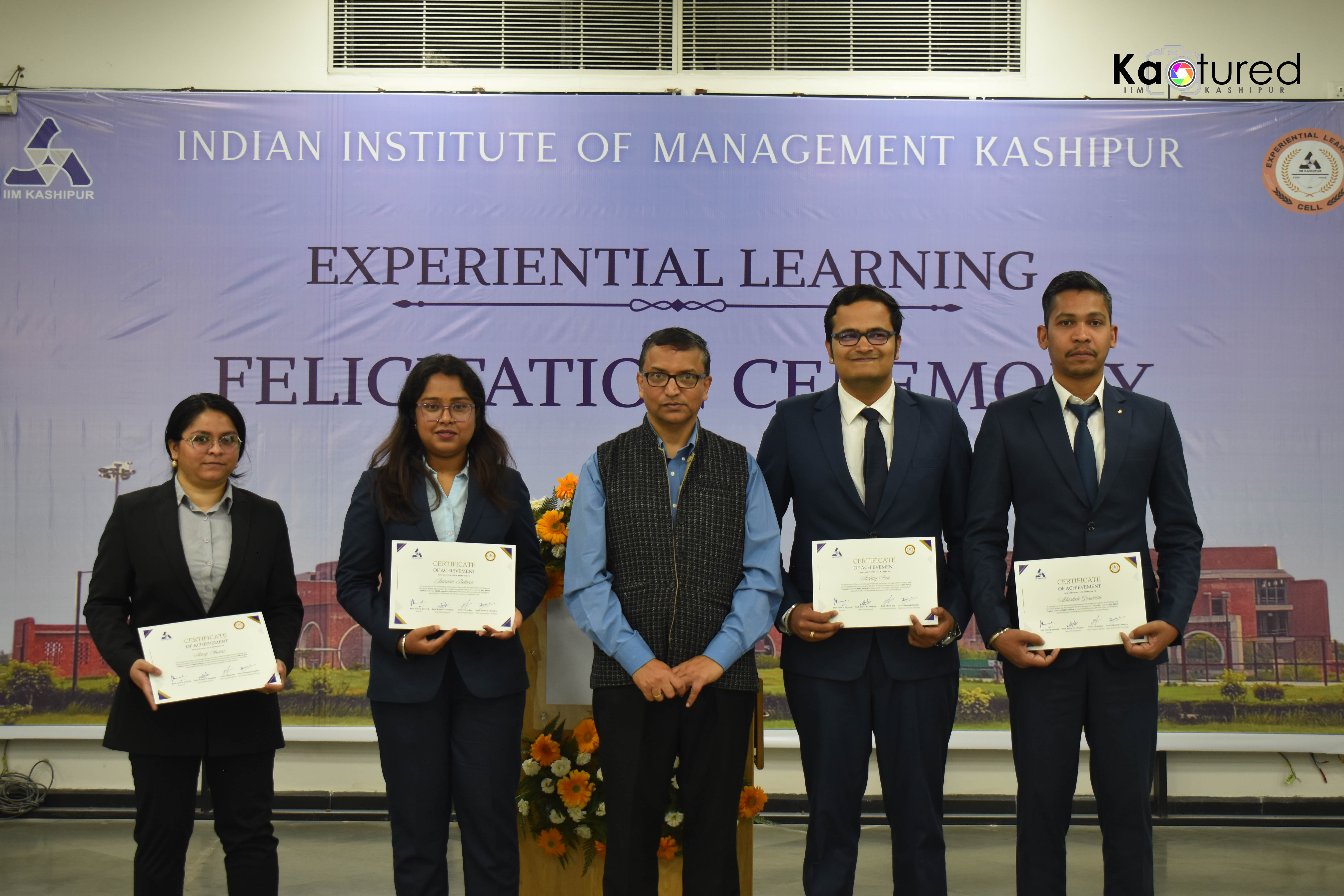
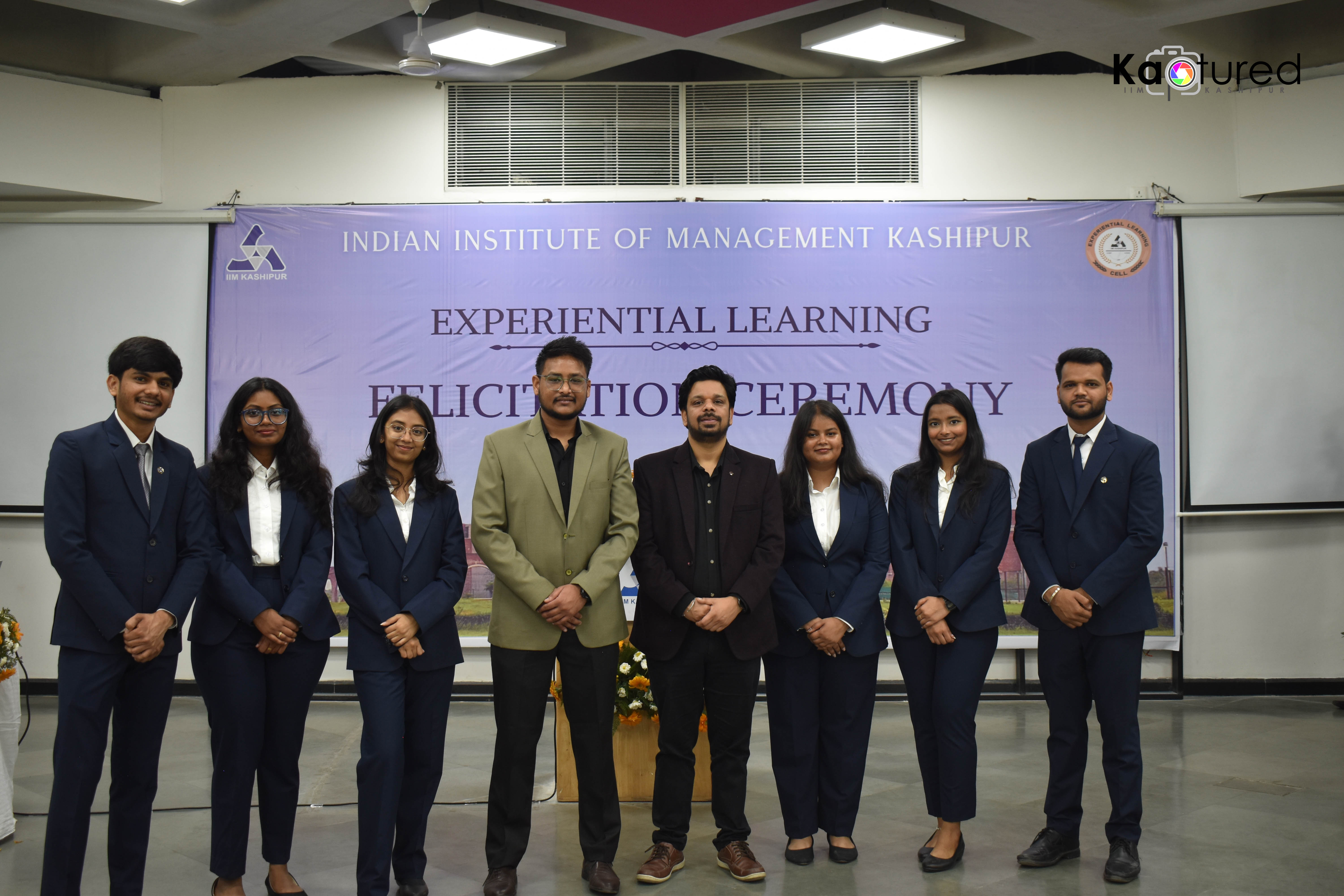
Experiential Learning (EL) aims to bridge the gap between IIM Kashipur and the social sector in order to involve institutional players in societal development and sustainability challenges.
The major emphasis of EL, which includes the key stakeholders (Faculties, Students, and partner organisations), is twofold:
- To address the region's developmental agenda by collaborating with relevant external organisations through an innovative outreach programme,
- To create mutual benefit for students and associated external organisations working on developmental issues such as sustainable development, rural development, and the development of young firms.
While companies can benefit from EL for their intellectual, research, and field requirements, students benefit from the crucial ‘Experiential Learning’.
EL alters Business Management education by bridging the gap between academic understanding and industry reality. EL innovates to increase IIM Kashipur's participation in developmental concerns, especially affecting the Uttarakhand area.
The outcomes of experiential learning on social engagement and societal impact are channelled through its three verticals:
- Environmental and Sustainable Business Practices (ESBP): Modern enterprises must address the issue of sustainable development. It seeks to strike a balance between people, the environment, and profits. While on a larger scale, sustainable development has become a catch-all term for green business practices that transform corporate objectives, on a local level, sustainability unlocks various difficult-to-handle concerns related to environmental and societal management.
The Environmental and Sustainable Business Practices (ESBP) EL vertical aligns with this concern and engages students with organisations addressing micro issues on sustainable development such as:- Impact of climate change on crops
- Strategic planning and implementation of SDG frameworks
- Fostering carbon-negative practices in firms
- Biodiversity conservation
- Developing seed banks and distribution systems to conserve region-specific seeds
- Eco-friendly textile products
- Unlocking Rural Potential (URP): Rural Management is an essential topic for developing capacities in the resourceful but difficult-to-access rural terrain. Although a rural environment may have many resources and distinctive goods, streamlining supply capabilities might be challenging owing to uncoordinated players, disconnected value chains, rural stigma, and a lack of knowledge.
This concern is addressed by the EL vertical of Unlocking Rural Potential (URP), which connects students with organisations addressing rural management issues such as:- Uplifting rural livelihood by developing employment opportunities
- Promoting smokeless stoves in rural regions to improve women’s health
- Gram Swaraj
- Eco- and agro-tourism
- Strategic planning for the Jal Jeevan Mission
- Diagnosing farmer issues for organic products to improve farmer income
- Van Panchayat and forest management
- MSME Development: MSME stands for Micro, Small, and Medium Enterprises. According to the Micro, Small, and Medium Enterprises Development (MSMED) Act of 2006 in India:
- Micro Enterprises: Turnover less than or equal to INR 2.5 million
- Small Enterprises: Turnover between INR 2.5 million and INR 50 million
- Medium Enterprises: Turnover between INR 50 million and INR 100 million
The EL component of MSME Development connects students with young enterprises such as cooperatives, new businesses, start-ups, and small-scale manufacturing units. Examples of topics covered include:- Branding of organic products from mountain women’s cooperatives
- Brand creation for fledgling businesses
- Finance and growth levers for rural businesses
Contact:el_cell[at]iimkashipur[dot]ac[dot]in
Chairperson
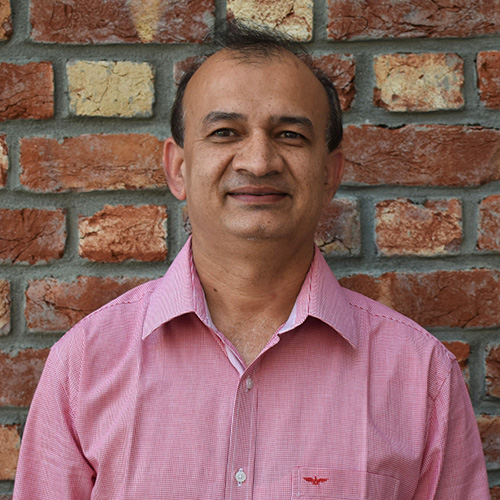
VAIBHAV BHAMORIYA
Assistant Professor
Chairperson - Experiential Learning
vaibhav[dot]bhamoriya[at]iimkashipur[dot]ac[dot]in
+91-7900444092
(Ext-226)
Office

Mr. Manish Singh Bisht
EL Office Coordinator
el[at]iimkashipur[dot]ac[dot]in
+91-7088270882
(Ext- 342)
Members







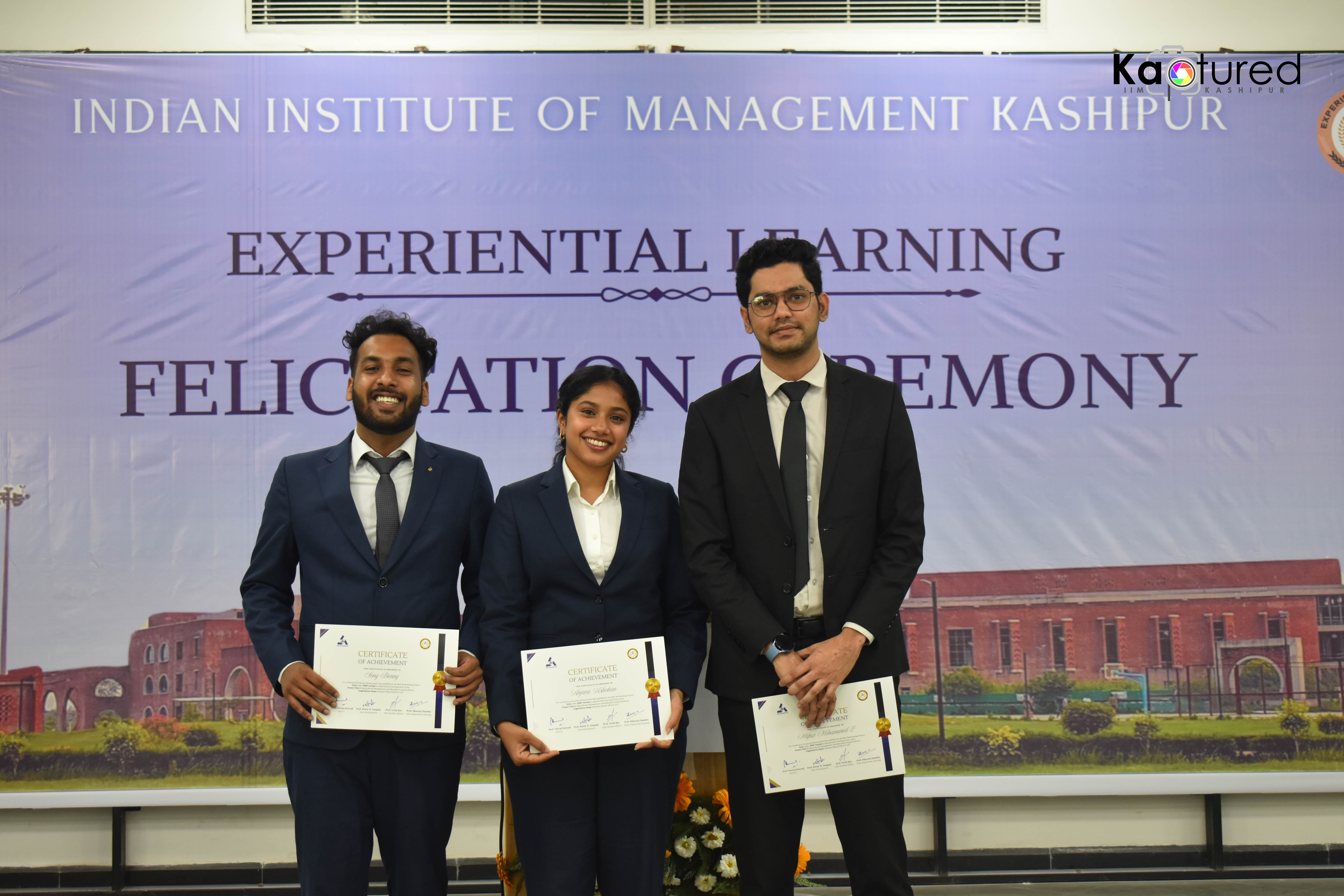
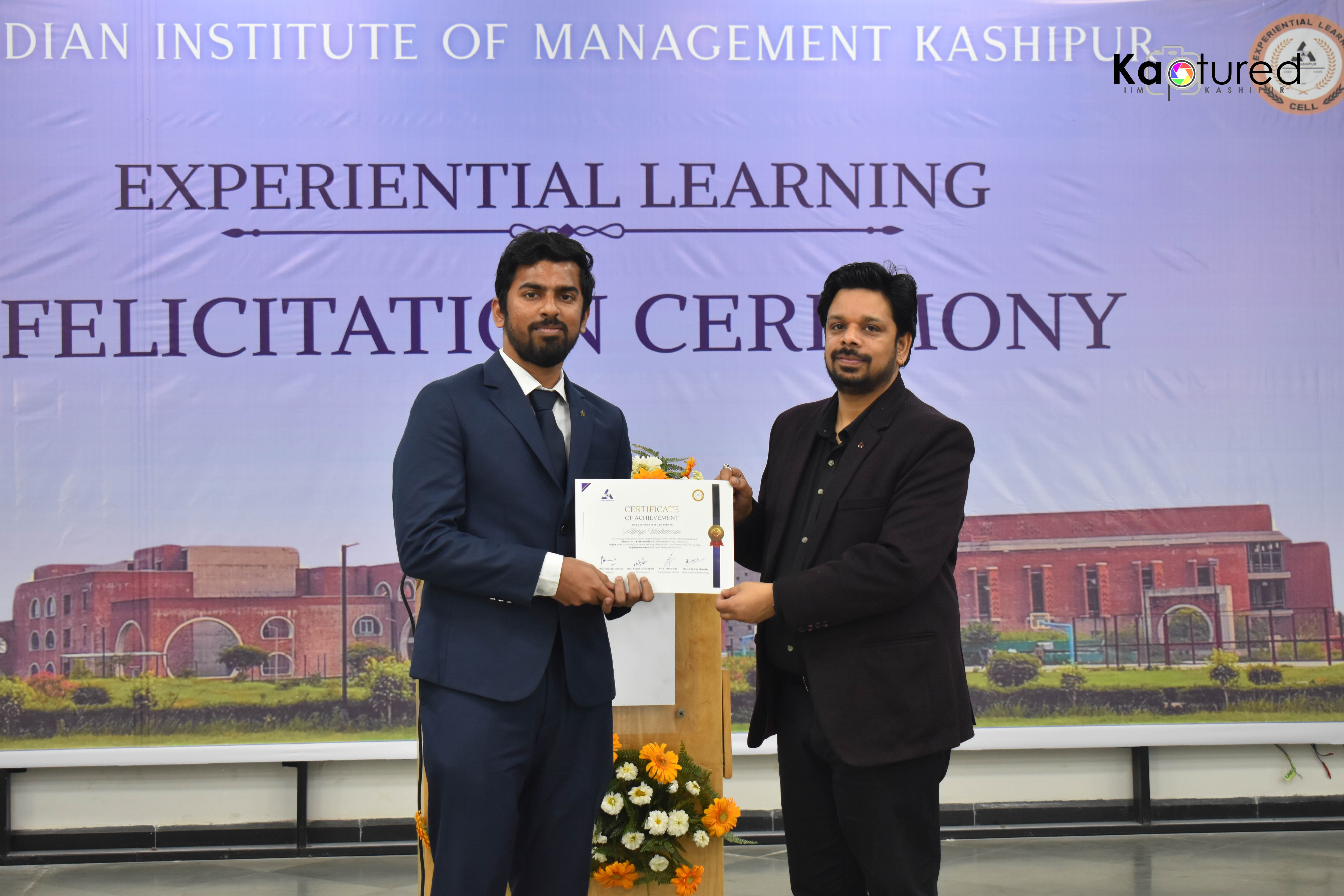
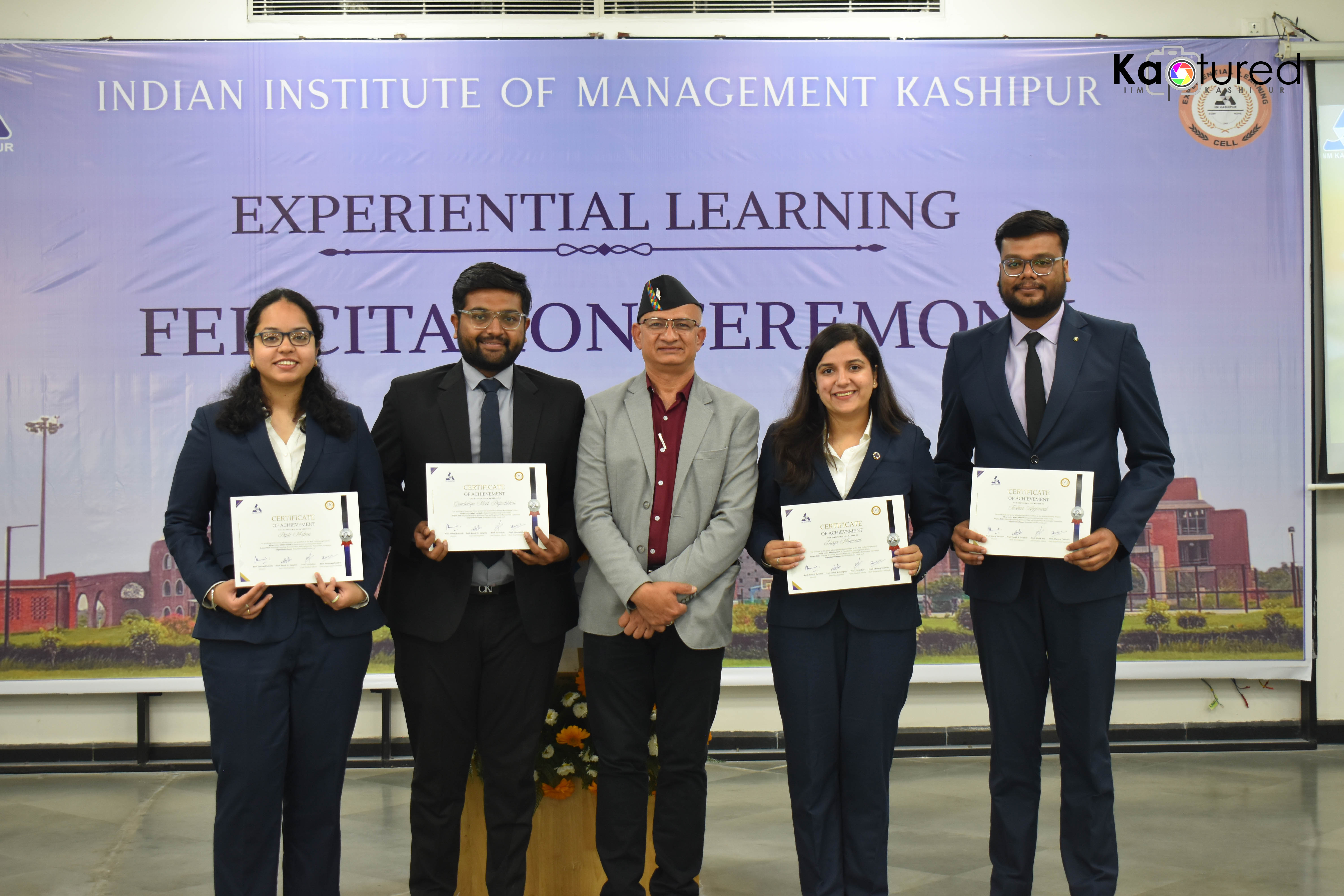
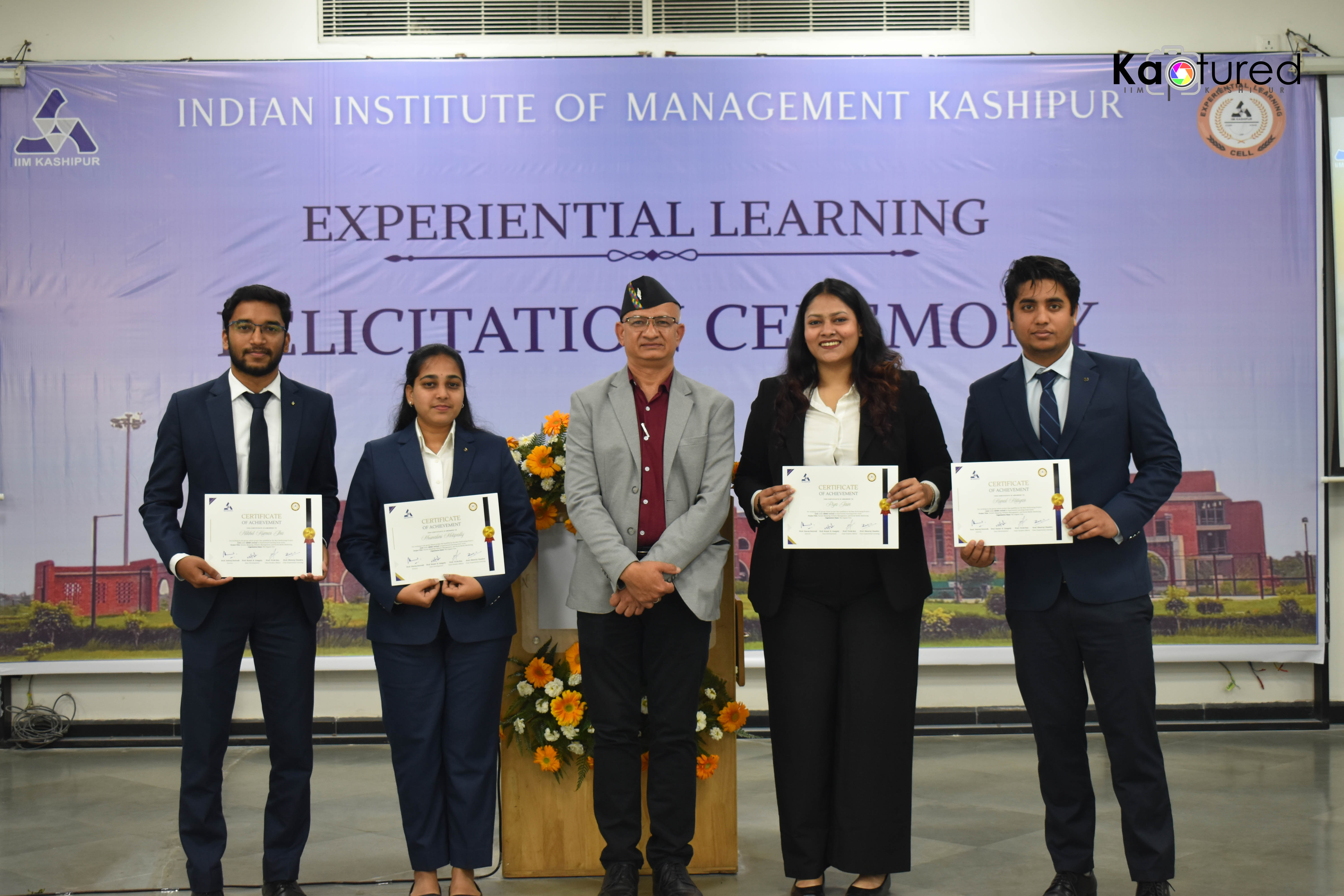
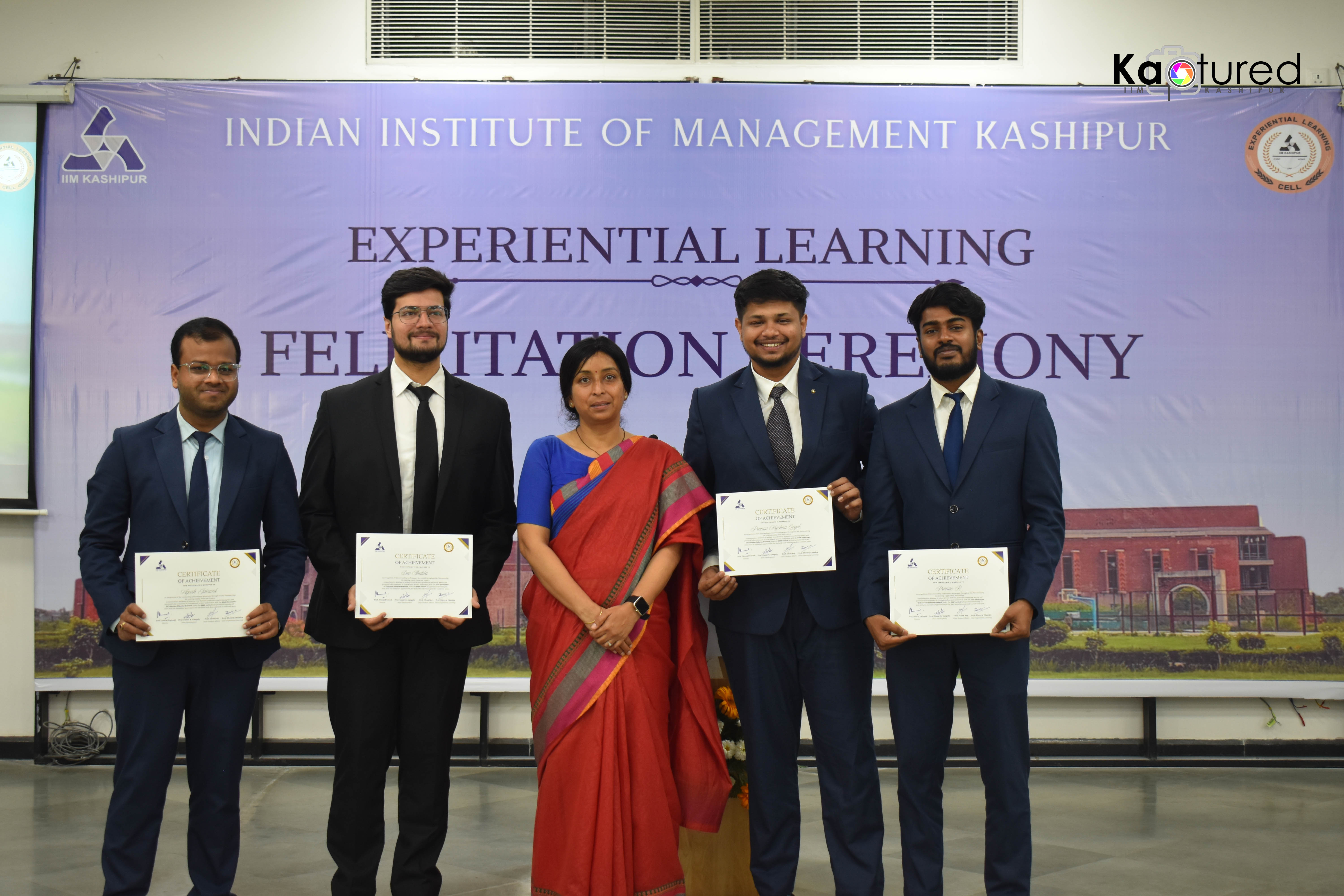
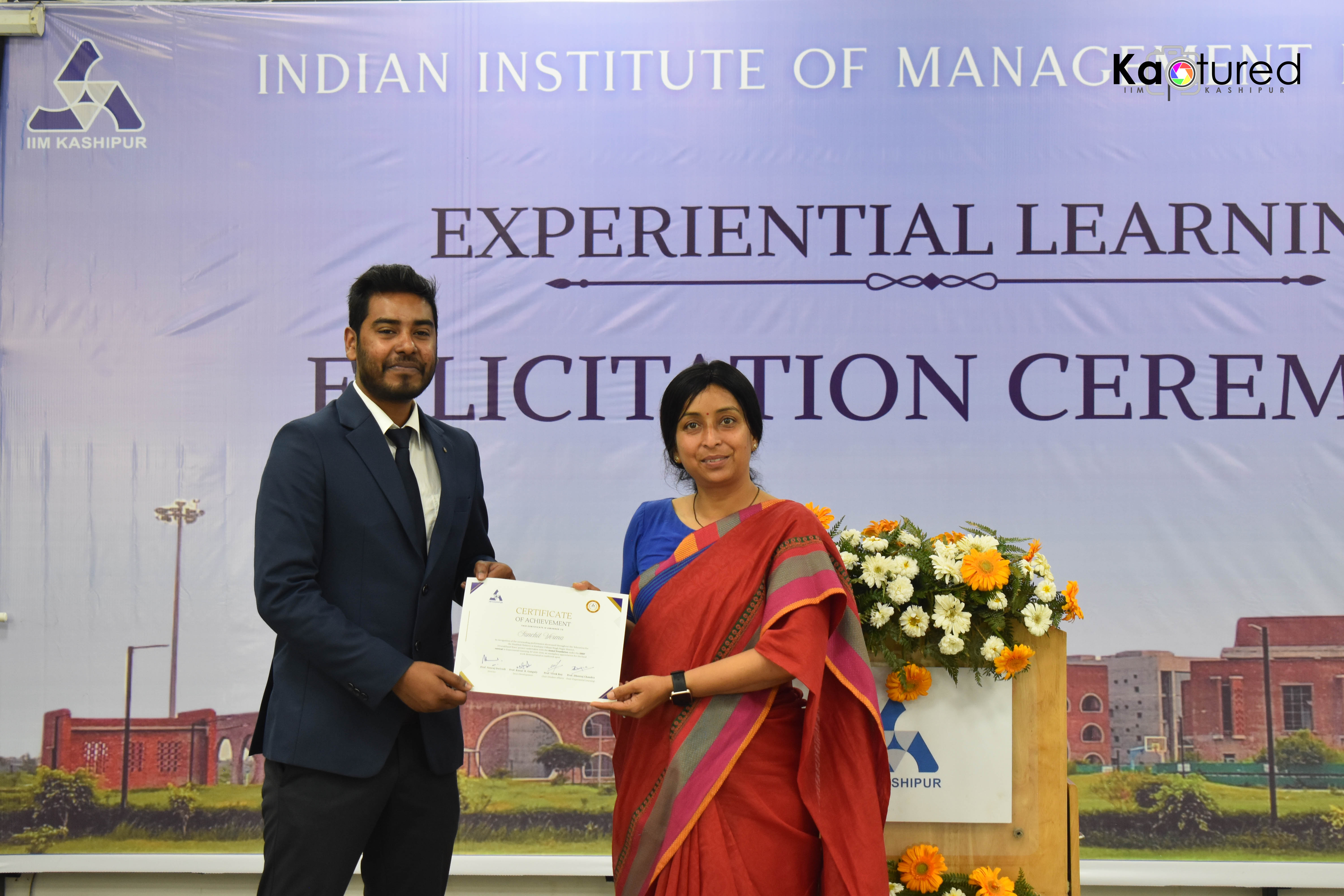
Events Images
INFO

CONTACT
Indian Institute of Management Kashipur Kundeshwari, Kashipur-244713 Uttarakhand
Phone : +91-7088270882, 7900444090,91,92,93
Email : info[at]iimkashipur[dot]ac[dot]in