

Mess Committee
Mess Committee
Details
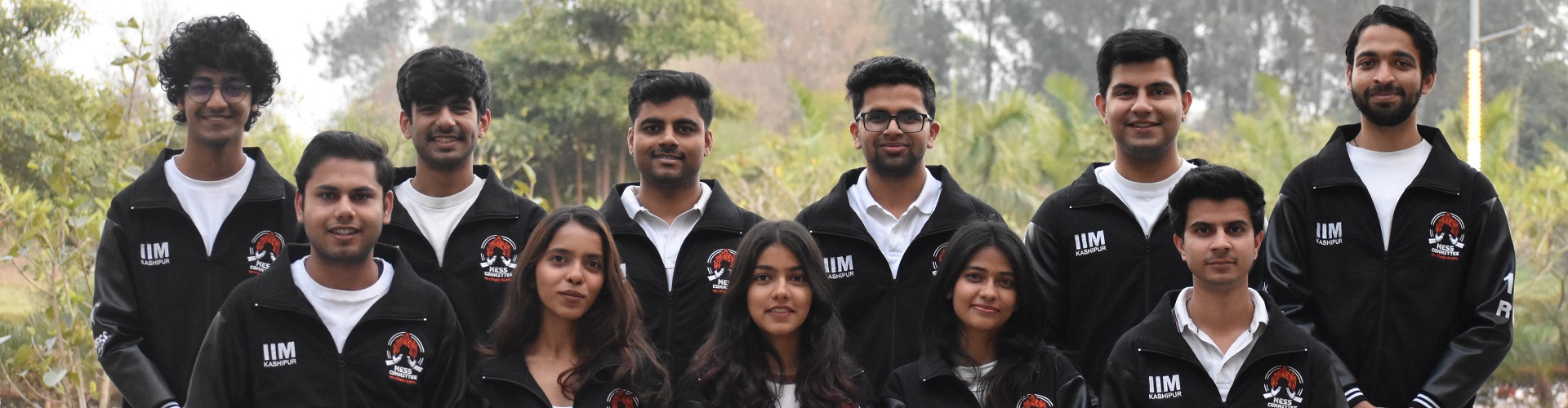
The Mess Committee at IIM Kashipur is a fully student-run body responsible for managing and supervising the campus dining services. The mess caters to the nutritional requirements of more than 1000 stakeholders, including students across various programs, faculty members, administrative staff, and guests attending placements, conferences, guest lectures, Management Development Programs (MDPs), Executive MBA sessions, and other institutional events. As one of the most actively utilized facilities on campus, the mess operates throughout the academic year and plays a direct role in shaping the daily experience and well-being of the institute community.
Being entirely student-managed, the committee oversees end-to-end operations of the mess. It works in close coordination with vendors, chefs, and mess staff to ensure smooth functioning and consistent service delivery. The responsibilities include menu planning, procurement oversight, vendor negotiations, budgeting, financial monitoring, hygiene supervision, grievance resolution, and implementation of structured student feedback. Regular review mechanisms are followed to maintain quality standards and operational efficiency.
The committee ensures that meals served are nutritious, hygienic, and inclusive of diverse dietary preferences. Continuous efforts are made to improve menu variety, portion balance, and service standards based on collective input from the student body. The mess also plays an important role during institute events, providing catering support for academic programs, placements, conferences, and official gatherings.
Beyond operational management, the Mess Committee functions as a practical platform for experiential learning. By handling real-time responsibilities such as budgeting, negotiation, forecasting, and event coordination, students gain hands-on exposure to management in action. Through these experiences, members develop accountability, leadership skills, problem-solving abilities, and teamwork, thereby embodying the institute’s philosophy of “Learning by Doing.”
Aahar Students Foundation (Established 2024)
In 2024, the Mess Committee undertook a landmark initiative by transitioning into a registered trust named the Aahar Students Foundation. With this step, IIM Kashipur became the first business school in India to establish a dedicated student-led trust for mess operations.
The formation of Aahar strengthened financial transparency, structured governance, and long-term sustainability of mess operations. Budgeting processes were formalized, financial oversight mechanisms were strengthened, and fund utilization became more systematically monitored. The trust model ensures continuity across batches and promotes accountability in operational and financial decision-making.
This achievement reflects the collaborative efforts of students, alumni, and the institute administration in institutionalizing a transparent and responsible student-run system. The Aahar Students Foundation represents a significant milestone in strengthening governance while retaining the spirit of student leadership.
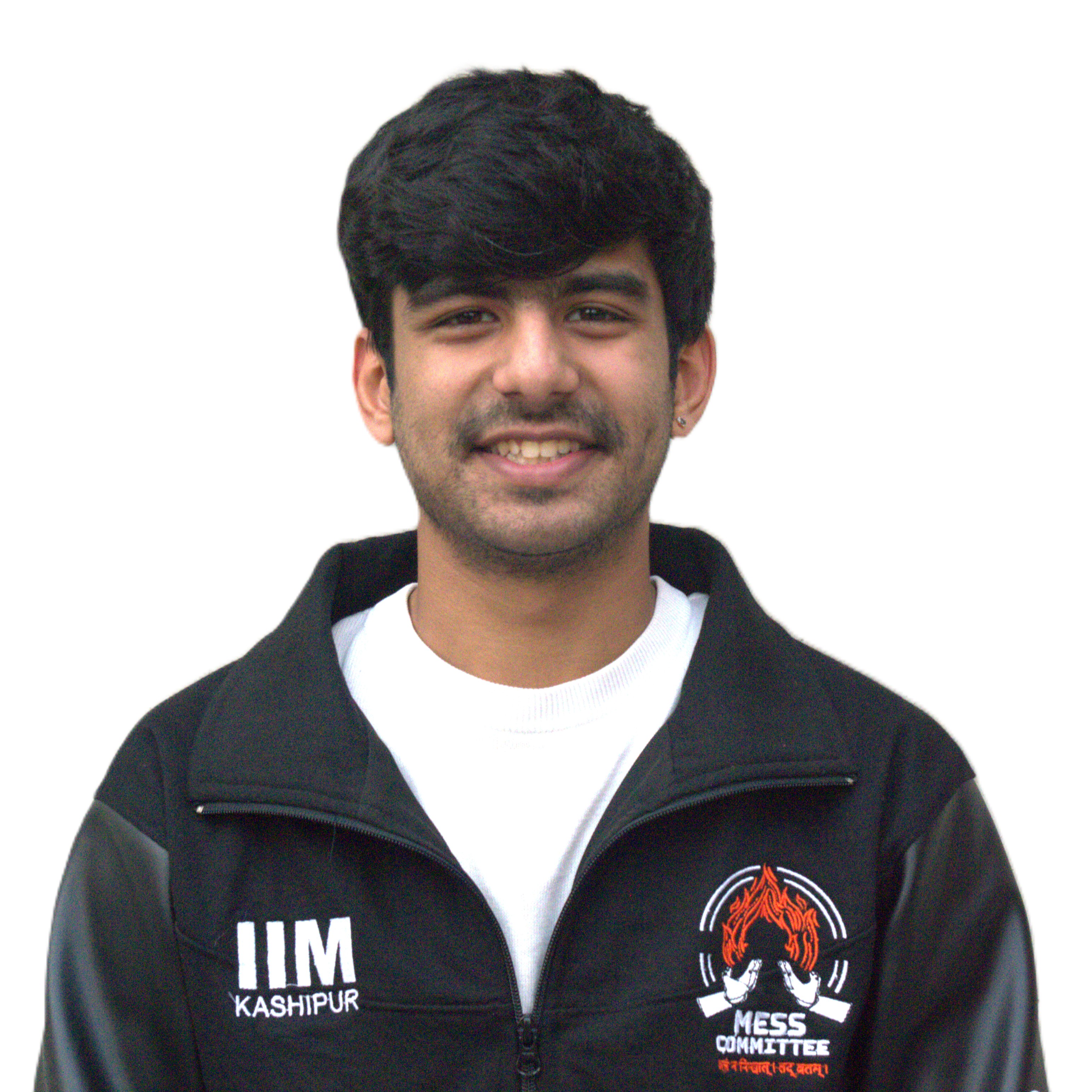
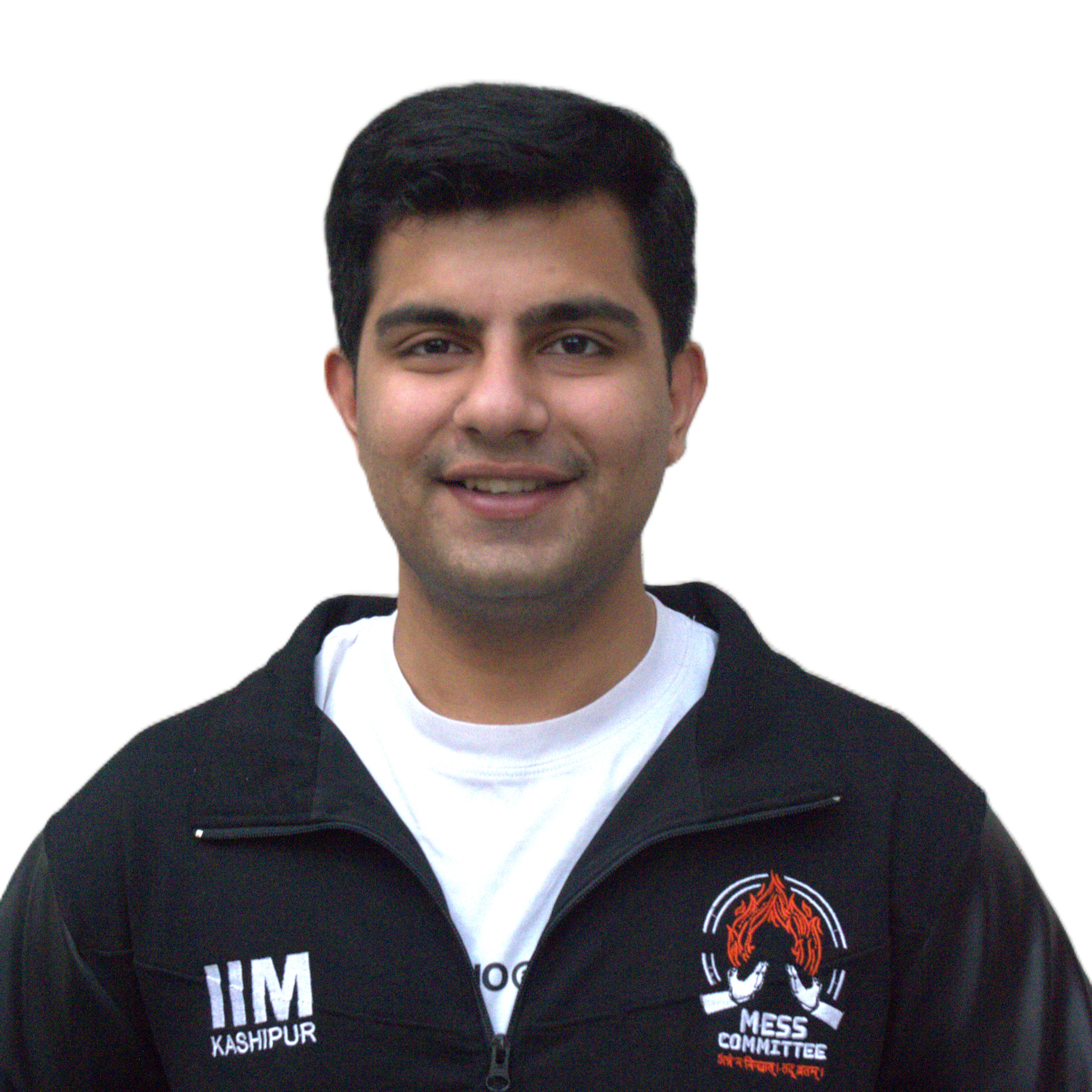
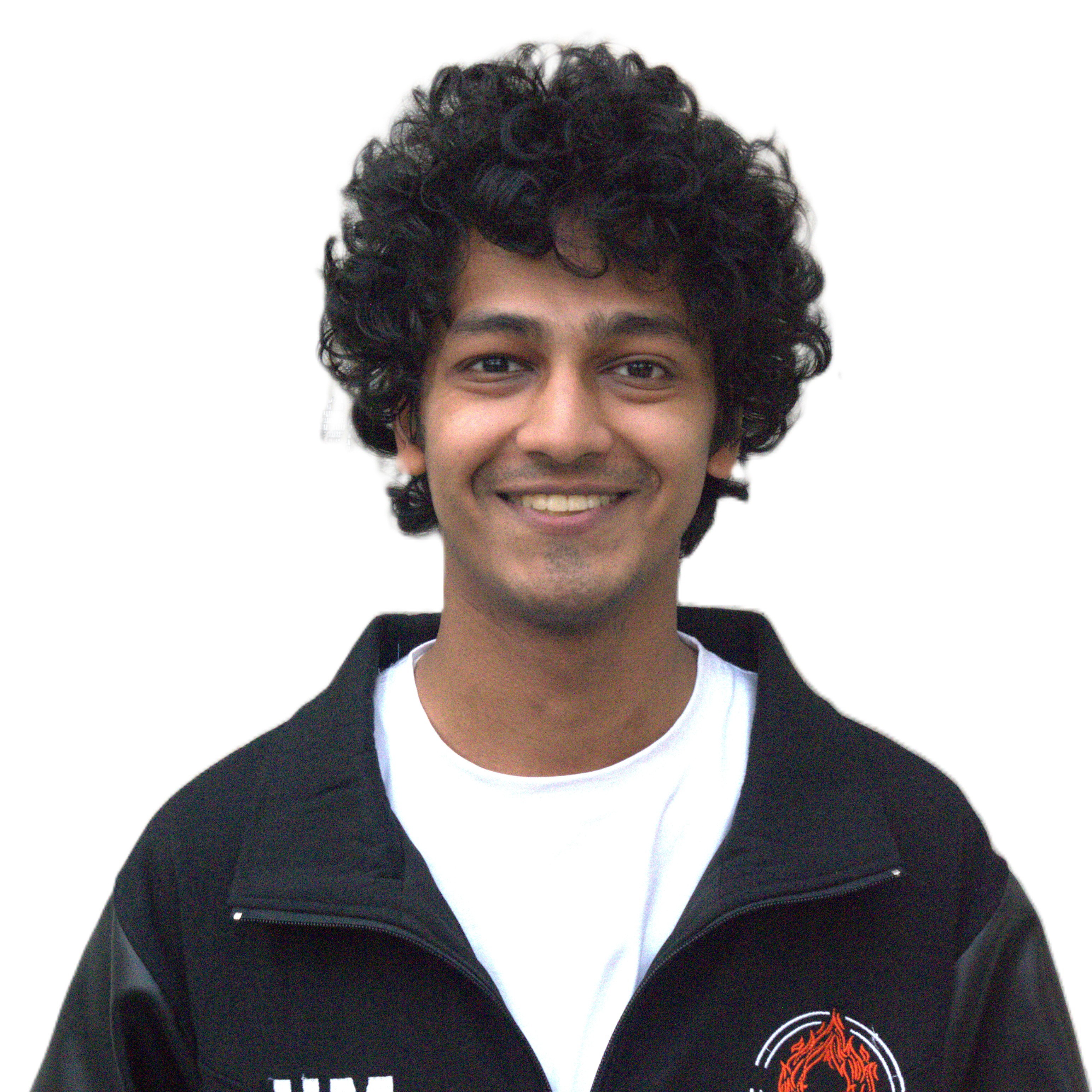
Members






Activity
Menu Planning and Diversification
Menu planning at IIM Kashipur is a structured and continuous process undertaken by the Mess Committee to ensure nutritional balance, diversity, and student satisfaction. The committee periodically reviews the menu after evaluating student feedback, consumption trends, seasonal availability of ingredients, and budget considerations. The objective is to maintain freshness and variety while ensuring consistency in quality and portion standards.
Based on feedback received from the student community, several additions were introduced to the regular menu. Breakfast offerings were strengthened with regular inclusion of Bourn Vita, Cornflakes, and Muesli, and the frequency of boiled egg servings was increased during the week to meet dietary requirements.
Representation of India’s diverse culinary traditions remains a priority. Regional dishes from various parts of the country are incorporated into the rotation, ensuring inclusivity and allowing students to experience both familiarity and variety in their daily meals.
Food Procurement and Vendor Management
Food procurement and vendor coordination form the operational backbone of the mess. The Mess Committee is actively involved in planning, supervising, and streamlining procurement processes to ensure uninterrupted kitchen operations. Demand forecasting is conducted based on historical consumption data, student strength, academic calendar schedules, and upcoming campus events to accurately estimate raw material requirements.
Procurement planning focuses on maintaining optimal inventory levels to prevent shortages while minimizing excess stock and wastage. Plate count analysis and consumption tracking are regularly reviewed to improve operational efficiency. The committee coordinates delivery schedules, monitors supply consistency, and ensures that raw materials meet predefined quality and hygiene standards before utilization.
Vendor management includes regular performance evaluation, cost negotiation, and adherence monitoring to contractual and hygiene standards. Continuous supervision of kitchen workflows, preparation timelines, and service coordination ensures that meals are delivered efficiently during peak hours without compromising quality. Through structured operational monitoring, the committee maintains reliability and consistency in daily food service.
Finance Management
Financial management is conducted under the structured framework of the Aahar Students Foundation. The committee is responsible for collection of mess fees, disbursement of staff salaries, monitoring of operational expenses, and budget allocation across procurement, utilities, and event-related requirements.
A key focus area is maintaining transparency and accountability in all financial transactions. Structured documentation, systematic expense tracking, and periodic financial reviews ensure prudent utilization of funds. The trust-based governance model introduced in 2024 strengthened audit mechanisms and oversight processes, enabling clear visibility into income and expenditure flows.
Financial planning involves cost optimization while maintaining service quality, ensuring that the mess remains sustainable and efficiently managed. The formalized audit and monitoring systems under Aahar reinforce responsible financial governance within a fully student-run framework.
Staff Management and Human Resource Planning
The mess staff are integral to daily operations, and their effective management is a critical responsibility of the committee. The Mess Committee handles coordination of work schedules, role allocation, attendance monitoring, and operational planning in collaboration with the vendor and kitchen supervisors.
Human resource planning involves ensuring adequate staffing during peak dining hours, large campus events, and high-demand periods. The committee also facilitates communication between staff and students to resolve operational issues efficiently. Regular review meetings help streamline workflow, improve service efficiency, and address concerns in a timely manner.
To recognize their contribution, initiatives such as Staff Appreciation Day, distribution of sweets and gifts during Diwali and Christmas, and winter blanket distribution are organized. These efforts foster mutual respect, improve morale, and strengthen collaboration between students and staff, contributing to smoother operations.
Student Welfare and Feedback Mechanism
The Mess Committee actively engages with the student community to ensure that services remain responsive and inclusive. Structured feedback collection mechanisms are implemented to gather suggestions regarding food quality, menu diversity, hygiene standards, and service efficiency. Constructive feedback is reviewed and incorporated into operational improvements wherever feasible.
Special dietary arrangements are made during Navratri fasting, Ramadan, and Jain Paryushan Parva to accommodate religious observances. Sick food packages are provided to students who are unwell, ensuring continued access to appropriate meals during recovery. Through these measures, the committee reinforces its commitment to student welfare and inclusivity.
Events
Special Dinners and Celebrations
To enrich the dining experience and celebrate cultural diversity, the Mess Committee regularly organizes special dinners and festive evenings that bring the campus community together. These initiatives go beyond routine meal service and aim to create shared experiences within the mess.
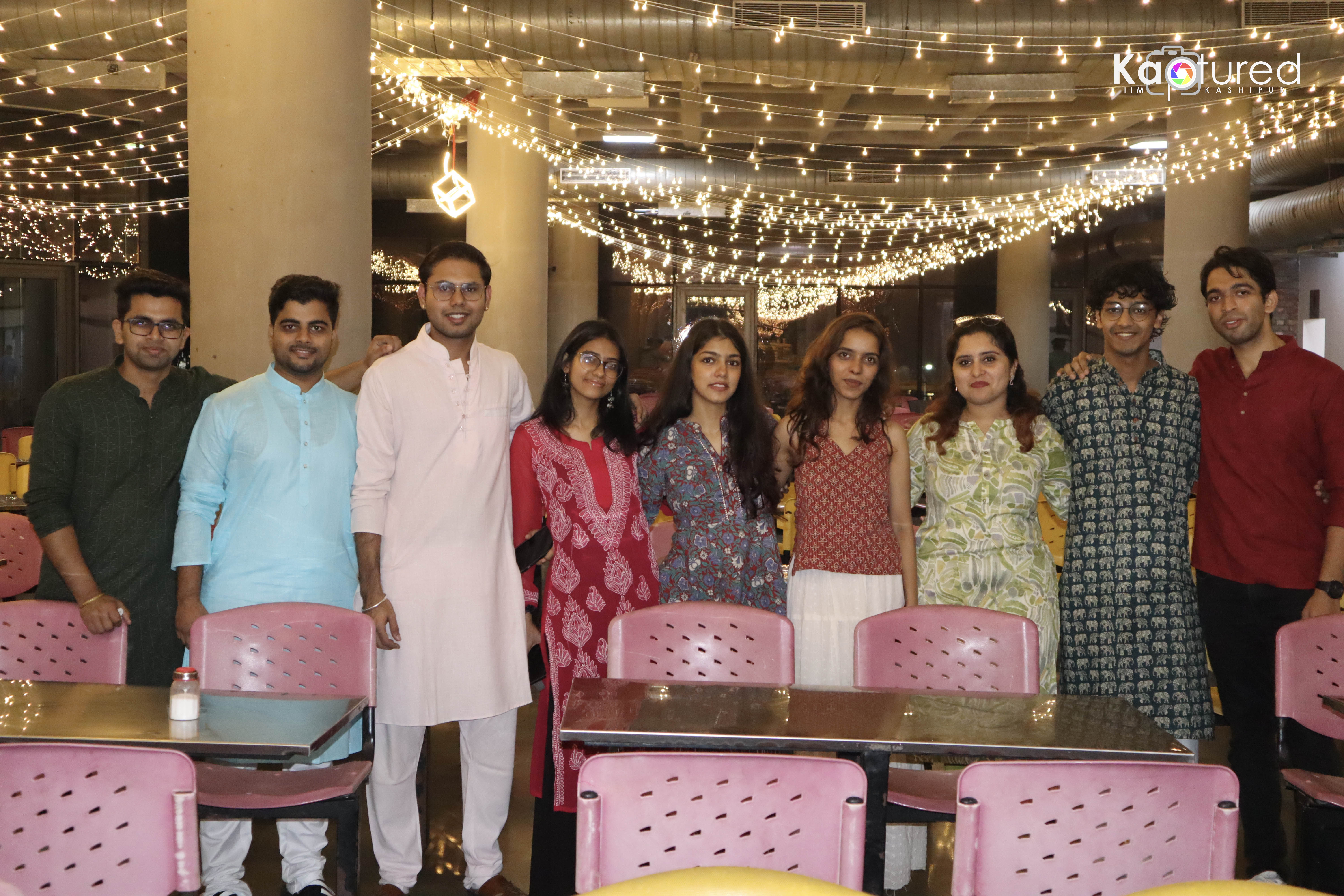
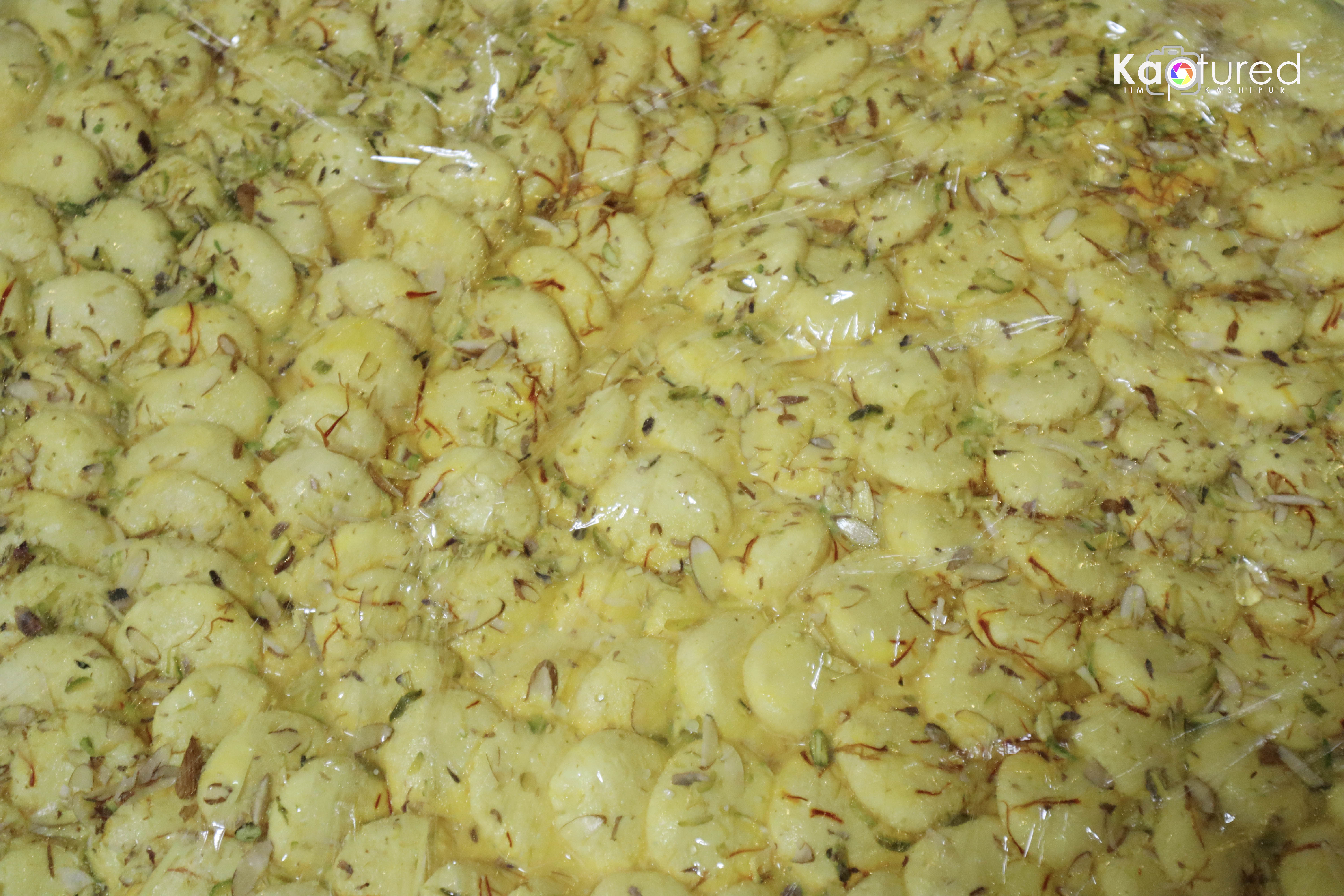
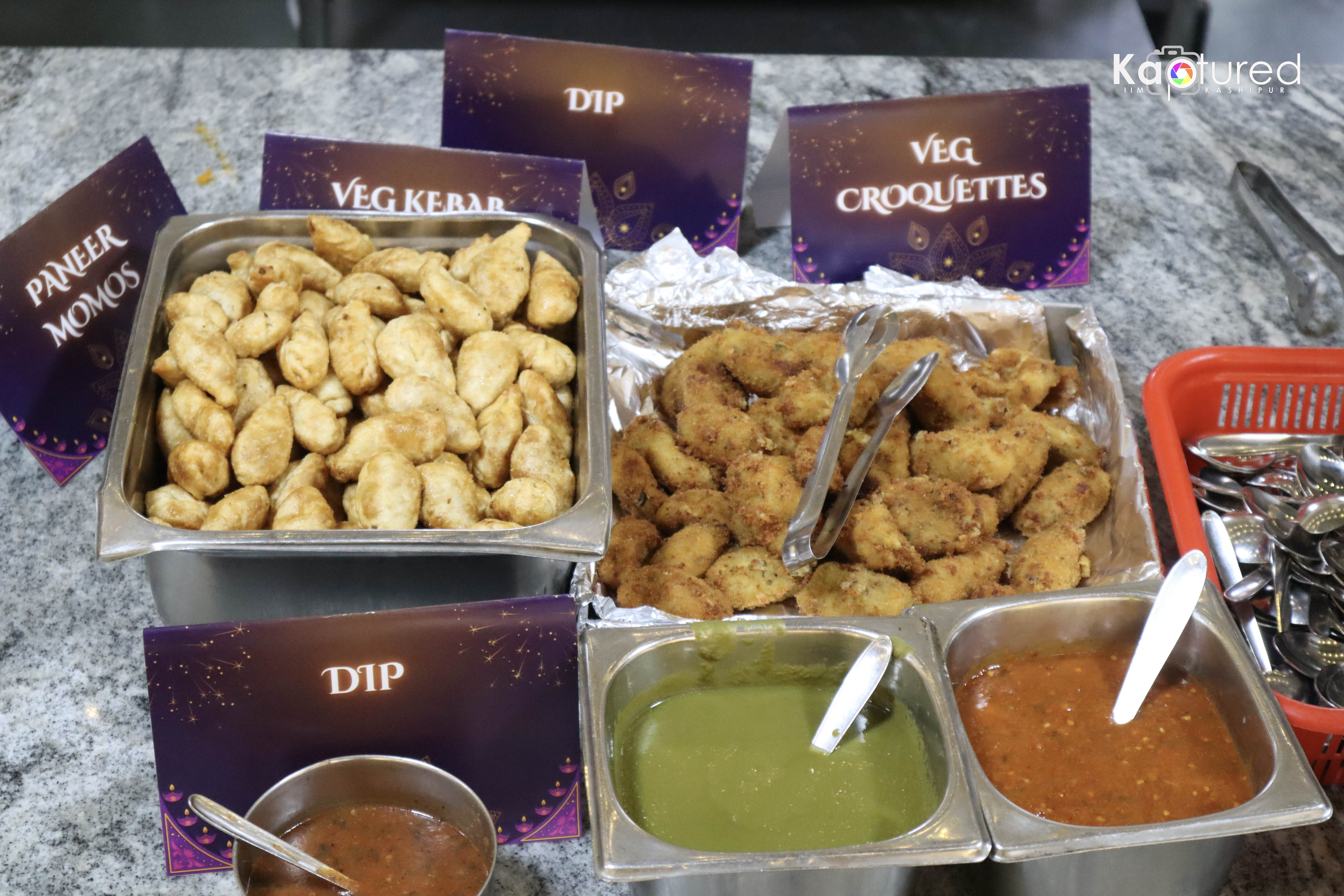
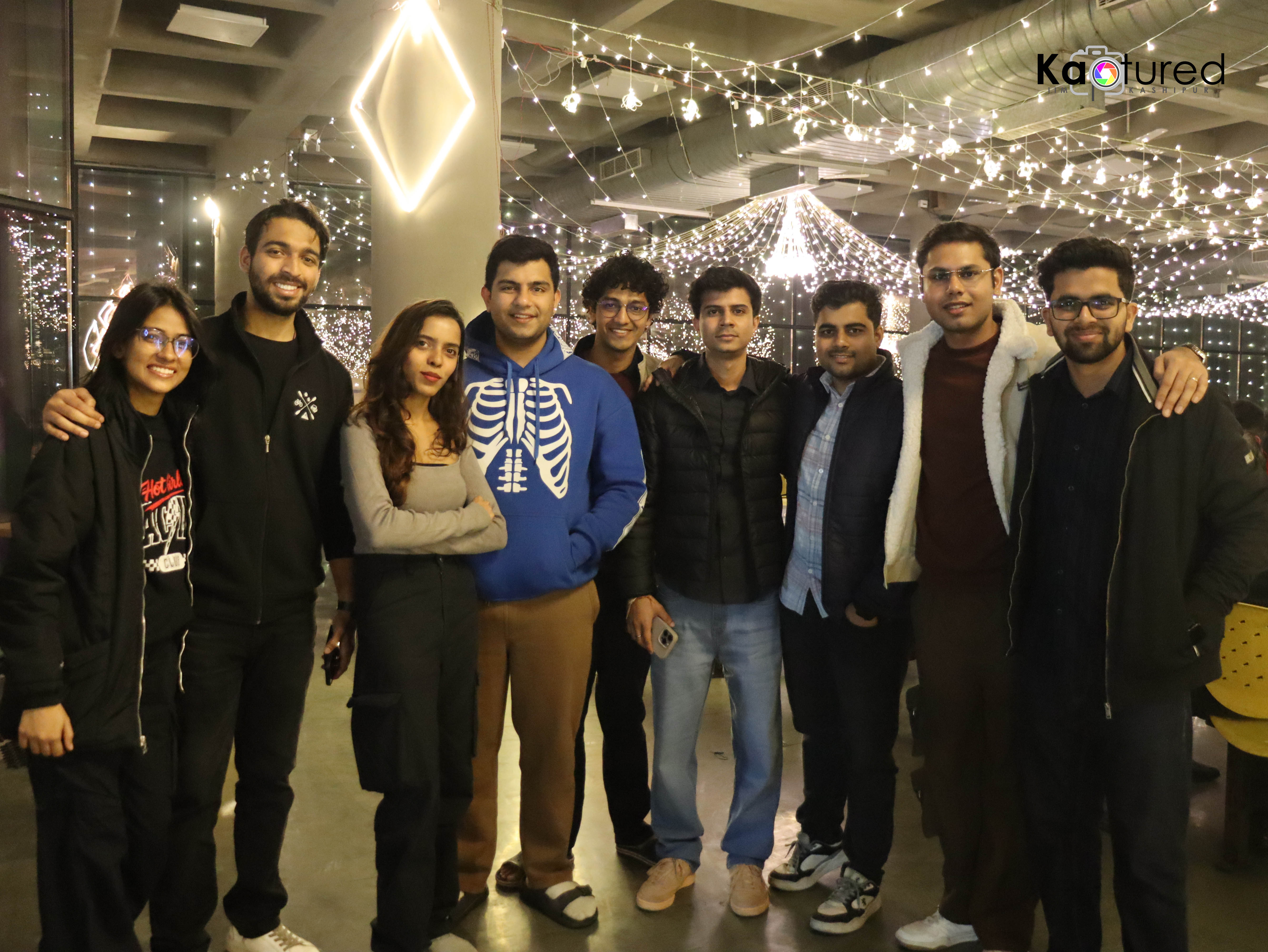
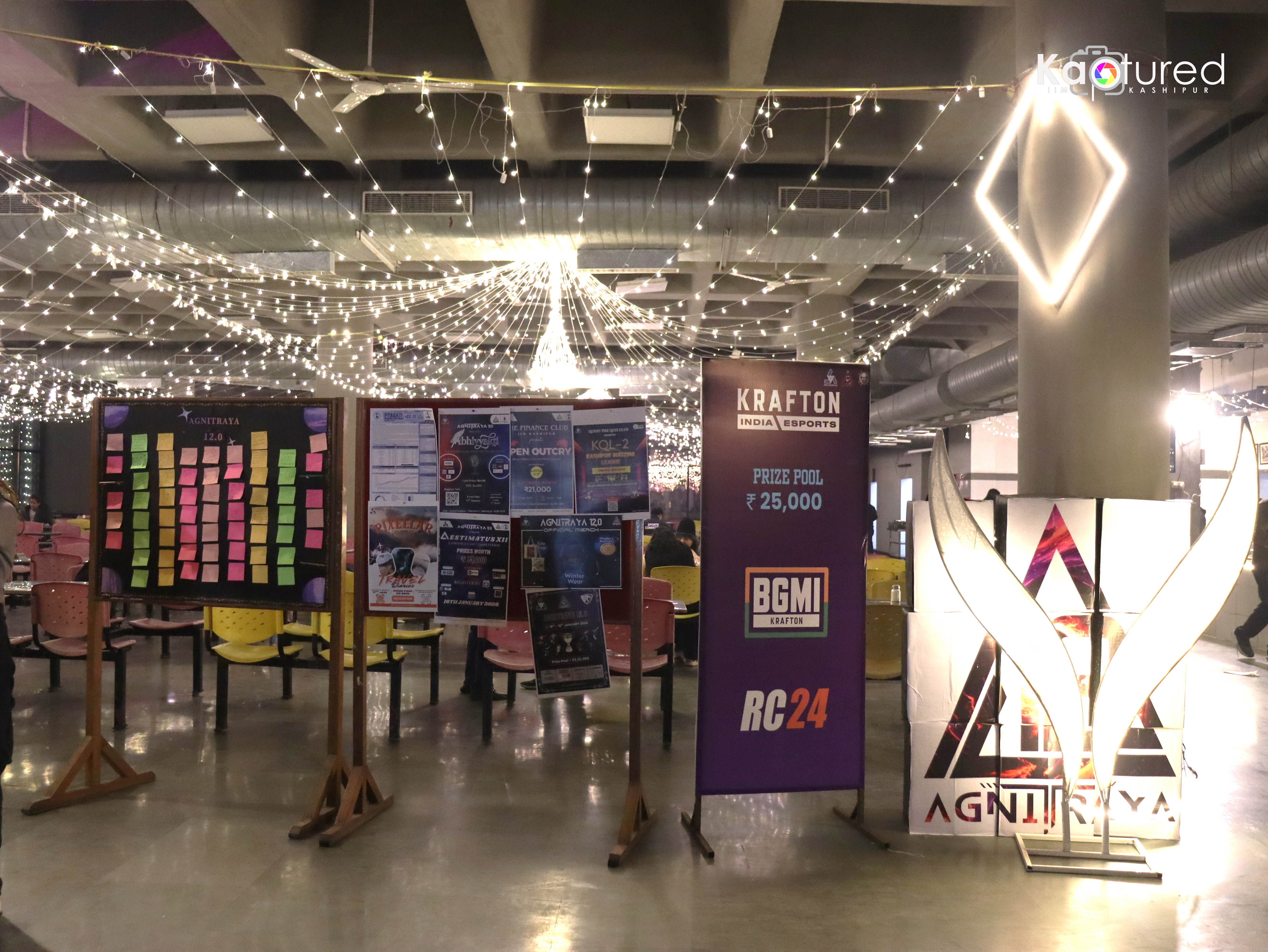
Festive occasions such as Diwali are marked with specially curated menus featuring traditional sweets, festive starters, elaborate main course preparations, and desserts. The dining area is decorated to reflect the spirit of the celebration, creating a vibrant and welcoming atmosphere for students, faculty, and staff. Teachers’ Day is also observed with thoughtfully prepared dishes and coordinated arrangements to acknowledge and appreciate faculty members. Similarly, during celebrations such as Freshers’ Day, Dusshera, Agnitraya, Farewell, and other significant occasions, the mess is decorated and special dishes are prepared to enhance the experience. Curated menus, festive sweets, extended spreads, and coordinated music arrangements contribute to a lively and engaging environment.
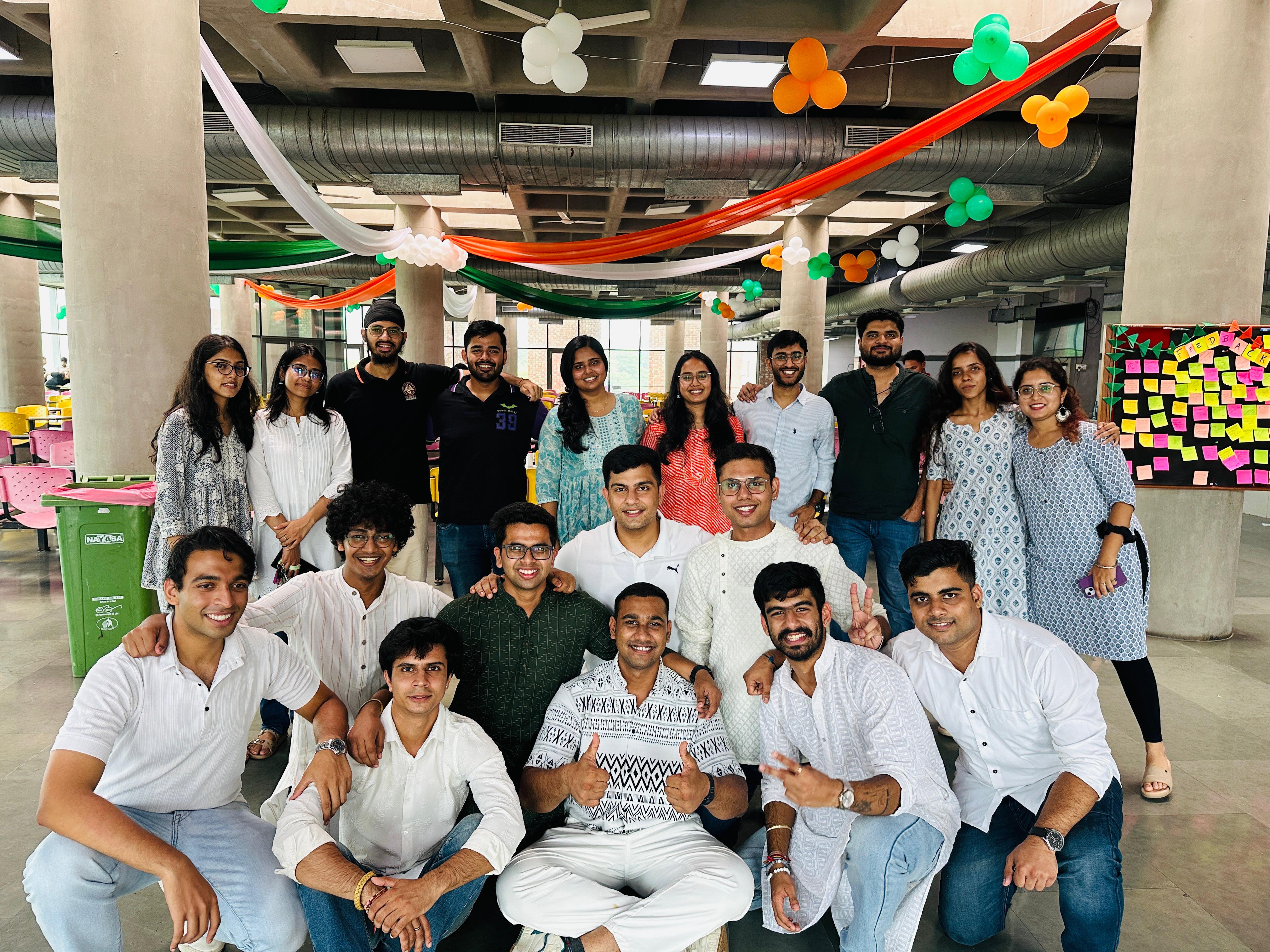
The committee has also marked significant national milestones with celebratory meals, integrating shared achievements into campus life. Through these initiatives, the mess becomes a space for collective celebration, strengthening the sense of community across the institute.
Themed and Regional Cuisine Nights
To provide variety and promote inclusivity, the Mess Committee organizes themed and regional cuisine nights throughout the academic year. International cuisine evenings featuring Italian, Mexican, Chinese, and other Asian dishes offer students exposure to diverse global flavors.
Regional cuisine nights highlight authentic dishes from different parts of India, including Bengali, Uttar Pradesh, Rajasthani, Maharashtrian, Punjabi, and Mughlai traditions. Each event involves careful planning in menu curation, ingredient sourcing, and preparation to maintain authenticity while ensuring smooth large-scale service. These evenings allow students to reconnect with familiar regional flavors while also appreciating the culinary diversity of the country.
Gala Dinners – Uttishtha and Aluminati
The Mess Committee plays a significant role in organizing large-scale gala dinners during major campus events. During Uttishtha, the entrepreneurship summit of IIM Kashipur, the committee successfully organized a Gala Dinner serving approximately 350 attendees, including entrepreneurs, guests, faculty members, and students. The event required detailed menu planning, vendor coordination, staff deployment, and structured service flow management to ensure timely execution while maintaining quality standards.
Similarly, during Aluminati, the Grand Alumni Reunion, a specially curated gala dinner was organized to welcome alumni from multiple graduating batches. The arrangements were designed to provide a memorable dining experience while ensuring seamless coordination and high standards of hospitality. These large-scale dinners strengthened the committee’s experience in managing high-attendance formal events within a fully student-run framework.
Mess Services at MDPs, Executive Programs and Academic Events
In addition to regular dining and special events, the Mess Committee also supports food arrangements during Management Development Programs (MDPs), Executive MBA sessions, academic conferences, guest lectures, and placement processes. The committee ensures that meals are served smoothly and in coordination with the schedule of these programs.
Basic arrangements are made keeping in mind participation levels and timing requirements. Where required, dietary preferences of guests are considered to ensure comfort and convenience. Through coordinated planning with vendors and kitchen staff, dining services continue without disruption during such engagements.
Support for Major Campus Engagements
The Mess Committee also provides coordinated dining support during major campus engagements such as Manthan organized by the IIC, multiple PCOM processes, and the TEDx event. These engagements involve varying participation levels and structured timelines, requiring advance planning and close coordination between procurement, kitchen operations, and service staff.
Through these sustained efforts, the Mess Committee continues to enhance campus life by combining operational discipline with celebratory spirit, ensuring that dining services remain inclusive, efficient, and aligned with the institute’s culture.